
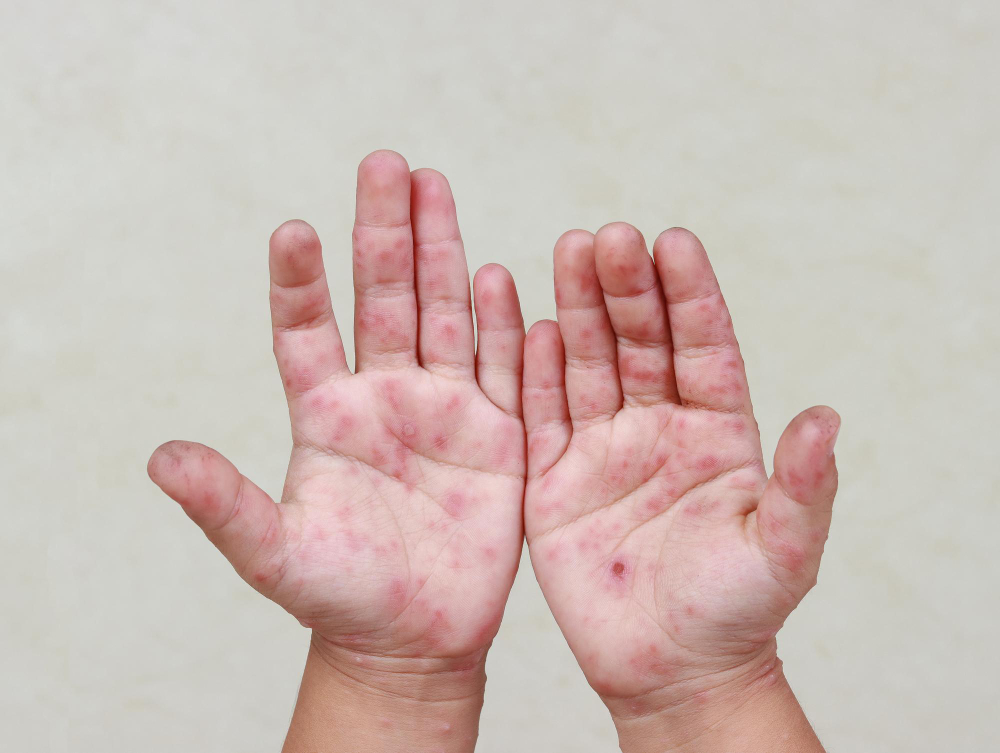
Hand, Foot, and Mouth Disease (HFMD) is a common illness in young children. Understanding HFMD causes and diagnosis helps parents spot signs early. Since HFMD can spread quickly, knowing how it starts and how doctors confirm it is important. This guide explains what parents and caregivers need to know about HFMD in children, including how HFMD spreads and when to seek help.
What is HFMD?
HFMD is a mild, contagious illness. It mostly affects children under five years old. However, older children and adults can get it too. The disease causes a rash on the hands, feet, and sometimes the buttocks. It also leads to mouth sores and fever. According to the CDC, HFMD outbreaks are common in childcare settings and schools. While most cases are mild, symptoms can make children uncomfortable. Early recognition helps prevent spreading the illness to others.
Causes of HFMD
HFMD is caused by viruses. The most common ones are Coxsackievirus A16 and Enterovirus 71. These viruses belong to a group called enteroviruses. Notably, HFMD in children is more common during summer and fall.
HFMD spreads easily from person to person. Here are the main ways how HFMD spreads:
Because children often play closely together, the risk of HFMD in children is higher. Poor handwashing and crowded spaces increase HFMD risk factors. Therefore, teaching good hygiene helps lower the chance of spreading the virus.
Diagnosis of HFMD
The HFMD diagnosis process is usually simple. Most doctors can diagnose HFMD by looking at the rash and mouth sores. They will also ask about symptoms like fever and sore throat. Sometimes, a pediatrician HFMD diagnosis may include a throat swab or stool sample. These tests help rule out other illnesses if the case is unclear.
Doctors rarely need lab tests unless symptoms are severe or unusual. However, if your child has a weak immune system or symptoms last longer than usual, extra tests may be needed. If you notice signs of HFMD such as a rash, mouth sores, and fever, contact your doctor for advice.
When to Consult a Doctor
Most cases of HFMD are mild. Still, some warning signs mean you should seek medical care right away. Watch for these symptoms:
If your child has any of these signs, call your doctor or visit a clinic right away. Early care can prevent serious problems.
Conclusion
In summary, knowing the HFMD causes and diagnosis helps parents act quickly. Since HFMD in children spreads easily, watch for symptoms and practice good hygiene. If you see warning signs or have concerns, consult Dr. K Shiva Reddy for personalized guidance if you suspect HFMD in your child.