
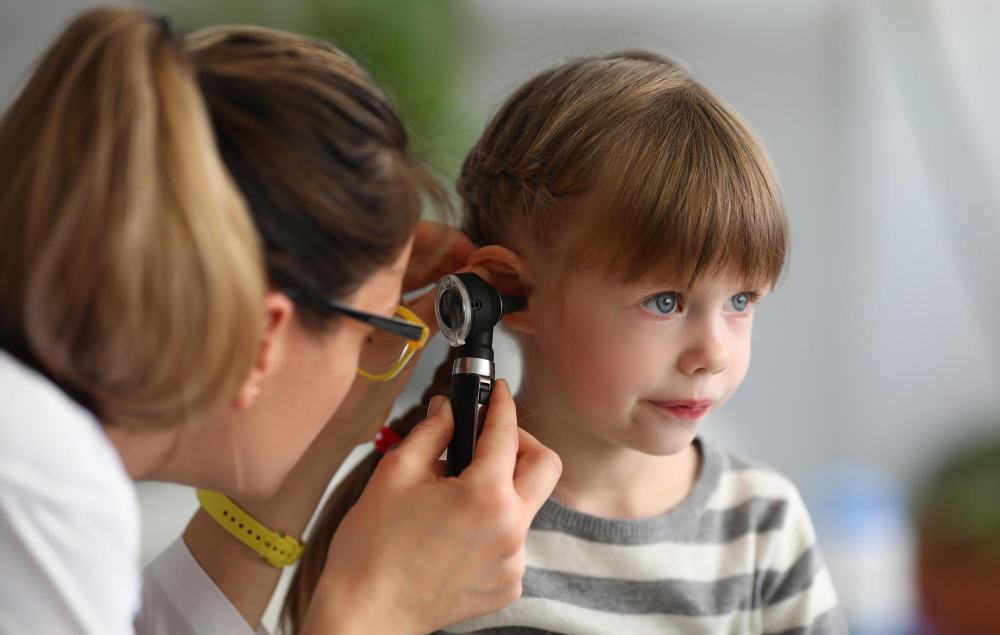
OAE in pediatrics stands for Otoacoustic Emissions, a special hearing test for children. This test helps doctors check how well a child’s inner ear works. Early OAE screening in newborns is very important. It can find hearing problems before a child starts to speak. Because hearing is key for learning, OAE hearing tests for children are now common in many hospitals and clinics. Parents should know what OAE means, why it matters, and how it helps protect their child’s hearing health.
What is OAE?
OAE, or Otoacoustic Emissions, is a simple test that checks the inner ear. The inner ear, also called the cochlea, makes tiny sounds when it works well. These sounds are called otoacoustic emissions. Doctors use a small device to listen for these sounds. If the device hears them, the ear is likely healthy. In pediatrics, OAE is important because it helps find hearing loss early. Early detection means children can get help sooner. This test is safe, quick, and does not hurt.
Symptoms and When OAE Testing is Needed
Many children with hearing loss show signs early. However, sometimes symptoms are hard to notice. Parents should watch for these signs:
Because some babies do not show clear signs, OAE screening in newborns is now routine. If your child has risk factors or symptoms, doctors may suggest an OAE hearing test.
Causes and Risk Factors for OAE Abnormalities
OAE abnormalities mean the test did not find normal inner ear sounds. Several things can cause this:
Knowing these risk factors helps parents and doctors decide when OAE testing is needed.
How OAE is Diagnosed
The OAE test is quick and easy. First, a doctor or nurse places a small, soft tip in your child’s ear. Next, the device sends soft sounds into the ear. The ear’s response is measured by the device. Most children do not feel any pain. Babies can even sleep during the test. Results are ready right away. If the test is not normal, doctors may repeat it or suggest more tests. OAE testing in clinics and hospitals is safe for all ages.
Treatment and Management Options
If OAE results are not normal, doctors will look for the cause. Sometimes, a repeat test is needed. If hearing loss is confirmed, treatment depends on the cause. Options may include:
Early treatment helps children develop better speech and learning skills. Parents should follow the doctor’s advice for the best results.
Prevention and Early Detection Tips for Parents
Parents can help protect their child’s hearing. Here are some tips:
Early detection and care can prevent many problems later. In some cities, OAE testing is offered at birth. Ask your local clinic about OAE testing in your area.
Frequently Asked Questions about OAE in Children
Consult a pediatric specialist at Dr. K Shiva Reddy’s Clinic for personalized guidance on OAE testing and hearing health.