
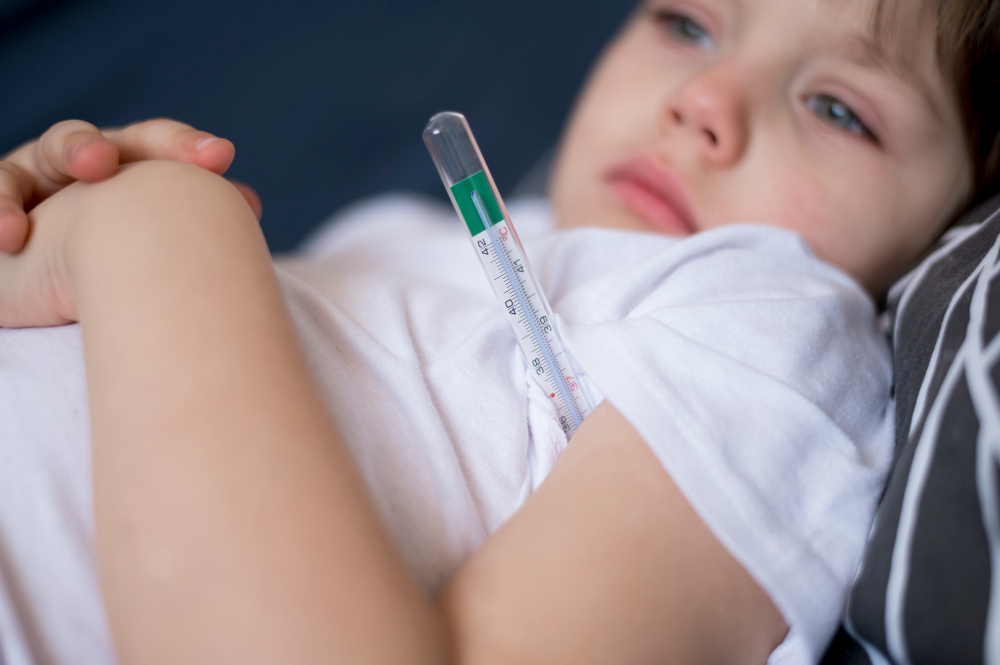
Typhoid in children is a serious infection caused by bacteria. It can make kids very sick if not treated early. Because children are more vulnerable, parents and caregivers must know the signs. Early recognition and treatment of typhoid in children can prevent severe illness and complications. In this blog, you will learn about typhoid symptoms in kids, how it spreads, diagnosis, treatment options, and ways to prevent typhoid fever in children.
What is Typhoid in Children?
Typhoid is a bacterial infection caused by Salmonella Typhi. It mainly spreads through contaminated food or water. Children are at higher risk, especially in areas with poor sanitation. Typhoid in children can lead to high fever and other serious symptoms. However, with prompt care, most children recover fully. The World Health Organization (WHO) and the Centers for Disease Control and Prevention (CDC) both highlight the importance of early detection.
Common Symptoms of Typhoid in Children
Typhoid symptoms in kids can be mild at first. But, they often get worse over time. Watch for these signs:
Sometimes, children may also feel confused or very irritable. If your child has these symptoms, especially after travel or eating unsafe food, seek medical help quickly.
Causes and How Typhoid Spreads
Typhoid spreads when children eat or drink food and water contaminated with Salmonella Typhi. Poor handwashing and unsafe water are common causes. In many countries, typhoid in children is more common during the rainy season or in crowded places. For example, outbreaks can happen in schools or communities with limited clean water. Because the bacteria live in the intestines, it can also spread from person to person if proper hygiene is not followed.
Diagnosis: How Typhoid is Identified in Children
Doctors use several steps to diagnose typhoid in children. First, they ask about symptoms and recent travel or food history. Then, they may order tests such as:
Early diagnosis helps start treatment sooner. Therefore, always tell your doctor if your child has been in an area where typhoid is common.
Treatment Options for Typhoid in Children
Typhoid fever treatment for children usually involves antibiotics. These medicines kill the bacteria and help children recover faster. In addition, doctors may recommend:
Sometimes, children may need to stay in the hospital if they are very sick or have complications. It is important to finish all medicines, even if your child feels better. This helps prevent the infection from coming back or becoming resistant to treatment.
Prevention Tips for Parents and Caregivers
Preventing typhoid in children is possible with a few simple steps. Here are some tips:
Because typhoid is more common in some countries, ask your doctor about the typhoid vaccine for children if you plan to travel.
Lifestyle and Home Care Guidance
While your child recovers from typhoid, home care is important. For example, you can:
Additionally, always follow your doctor’s advice about medicines and follow-up visits.
When to See a Doctor
If your child has a high fever, stomach pain, or other typhoid symptoms, see a doctor right away. Early treatment can prevent serious problems. Also, if your child is not drinking fluids, seems very weak, or has trouble breathing, seek emergency care. Remember, it is always better to be safe and get medical advice early.
In summary, typhoid in children can be serious, but early care makes a big difference. Consult Dr. K Shiva Reddy for personalized advice if you suspect typhoid in your child.