
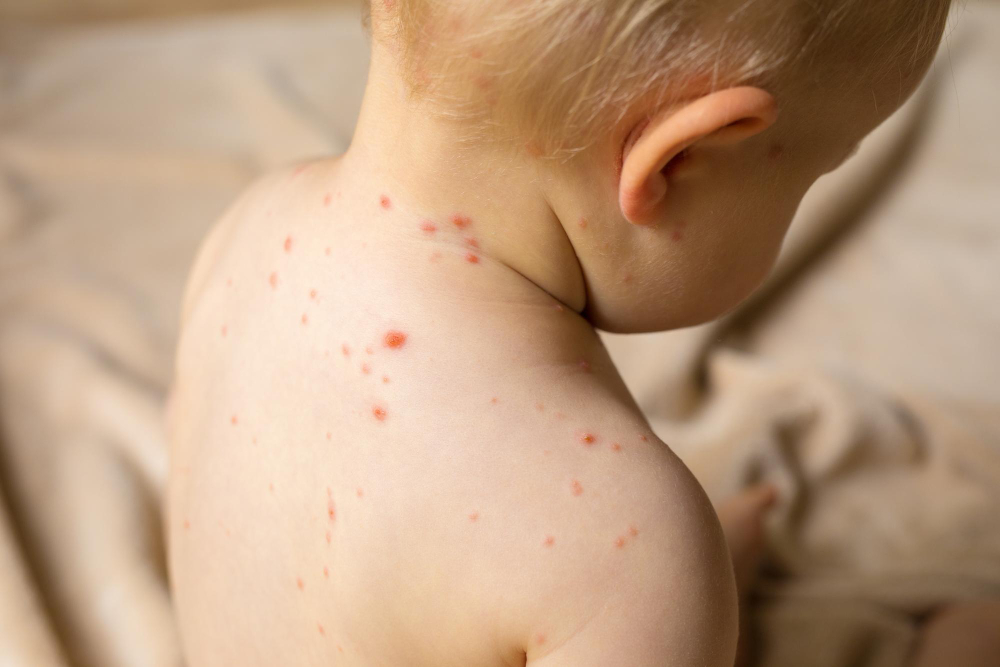
What is Chickenpox?
Chickenpox is a common illness in children. It is caused by the varicella-zoster virus. This virus leads to an itchy rash and small, red spots. Most children recover without problems. However, some may need extra care. Understanding how chickenpox spreads and how to protect your child is important for every parent.
How Chickenpox Spreads
Chickenpox spreads easily from person to person. The virus travels through the air when an infected person coughs or sneezes. Also, touching the fluid from chickenpox blisters can spread the virus. Because chickenpox transmission in children happens quickly, it is important to know the ways it spreads:
Usually, a person with chickenpox can spread the virus one to two days before the rash appears. They remain contagious until all blisters have crusted over. Therefore, keeping your child away from others during this time helps prevent the spread.
Symptoms of Chickenpox
Chickenpox symptoms in kids often start with mild signs. For example, your child may have:
After these early signs, an itchy rash appears. The rash usually starts on the face, chest, or back. Then, it spreads to other parts of the body. The rash turns into small, fluid-filled blisters. Over time, these blisters break and form scabs. Most children feel better within a week.
How to Protect Your Child from Chickenpox
There are several ways to protect your child from chickenpox. First, vaccination is the best way. The chickenpox vaccine is safe and effective. It helps prevent severe illness. In addition, you can take steps at home to lower the risk:
Because preventing chickenpox at home is important, these steps can help keep your family safe.
When to See a Doctor
Most cases of chickenpox are mild. However, you should call your doctor if:
Early treatment can prevent serious problems. So, do not wait if you notice these signs.
Prevention Tips for Families
Families can take simple steps to stop chickenpox from spreading. For example:
These tips help protect your family and others in your community.
Frequently Asked Questions
Consult your pediatrician at Dr. K Shiva Reddy for personalized advice on chickenpox prevention and care.