
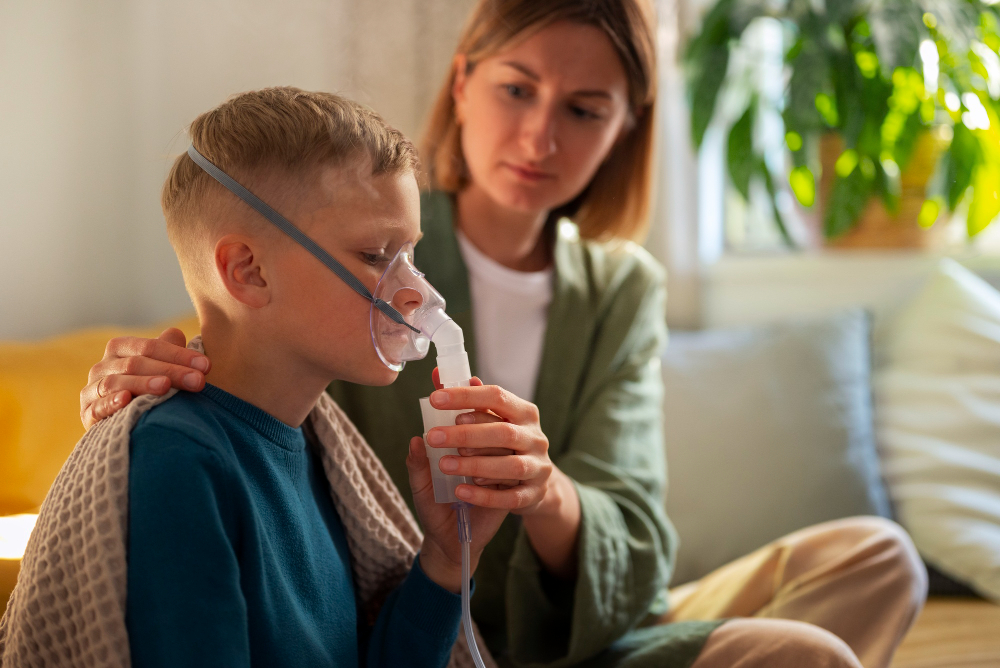
What is Childhood Asthma?
Childhood asthma is a long-term lung condition that affects many children worldwide. It causes the airways in the lungs to become swollen and narrow. Because of this, it can be hard for children to breathe. According to the CDC, asthma is one of the most common chronic diseases in children. Early recognition of childhood asthma is important. It helps children get the right care and live active lives.
Common Symptoms of Childhood Asthma
Children with asthma may show different signs. However, some symptoms are more common. Knowing these can help parents spot problems early. Common asthma symptoms in children include:
Sometimes, symptoms get worse during colds or with allergies. If you notice these signs often, it may be time to talk to a doctor.
Causes and Risk Factors
There is no single cause of childhood asthma. But, several things can raise the risk. For example, children are more likely to develop asthma if:
Although not all children with these risks will get asthma, knowing them can help parents take steps to protect their kids.
How Childhood Asthma is Diagnosed
Doctors use several methods to diagnose asthma in children. First, they ask about symptoms and family history. Next, they may listen to your child’s breathing. Sometimes, doctors use breathing tests to check how well the lungs work. For younger children, these tests can be hard. In such cases, doctors may watch symptoms over time. If needed, allergy tests may also be done. Early diagnosis helps with better asthma treatment for kids.
Treatment Options for Childhood Asthma
There are many ways to treat childhood asthma. The main goal is to control symptoms and prevent attacks. Treatment options include:
Doctors will create a plan based on your child’s needs. Regular check-ups help keep asthma under control. Always follow the treatment plan and talk to your doctor about any changes.
Managing and Preventing Asthma Attacks in Children
Managing childhood asthma means more than just taking medicine. There are steps you can take at home to help your child. For example:
Additionally, teach your child how to use their inhaler. Make sure teachers and caregivers know about your child’s asthma action plan. This helps everyone respond quickly if symptoms start.
When to Seek Medical Help
Sometimes, asthma symptoms can get worse quickly. It is important to know when to get help. Call your doctor or seek emergency care if your child:
Early action can prevent serious problems. Never wait if you are worried about your child’s breathing.
In summary, childhood asthma is common but manageable. With the right care, most children can live healthy, active lives. Consult a pediatrician at Dr. K Shiva Reddy for personalized guidance on managing childhood asthma.