
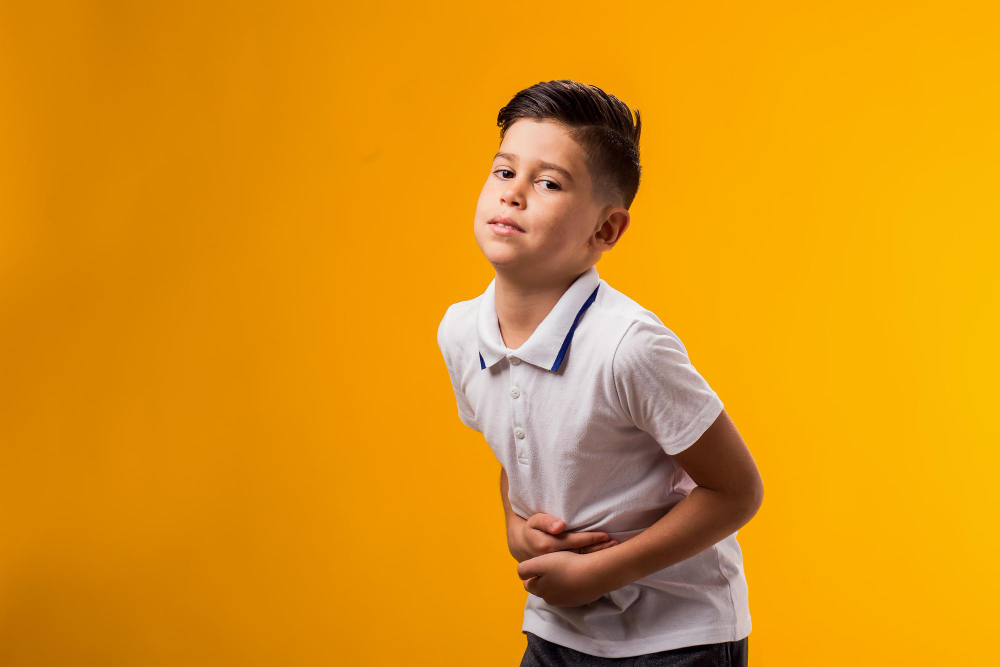
What is Stomach Flu in Children?
Stomach flu in children is a common illness. Doctors call it viral gastroenteritis. It causes swelling and irritation in the stomach and intestines. Although it is called “flu,” it is not caused by the influenza virus. Instead, other viruses like norovirus or rotavirus are usually to blame. Children can get stomach flu at any age. However, it spreads quickly in places like schools and daycare centers. According to the CDC, stomach flu is a leading cause of vomiting and diarrhea in kids.
Common Symptoms of Stomach Flu in Children
Symptoms of pediatric stomach flu often appear suddenly. While some children may have mild symptoms, others can feel very sick. Early signs usually start within one to three days after infection. For example, your child may:
Because symptoms can vary, it is important to watch your child closely. If you notice signs of dehydration, seek help right away.
Causes and How Stomach Flu Spreads
Stomach flu in children is usually caused by viruses. Norovirus and rotavirus are the most common. These viruses spread easily from person to person. For instance, your child can get infected by:
Because the virus is in stool and vomit, it spreads quickly in groups of children. Good hygiene can help lower the risk.
Diagnosis: How Doctors Identify Stomach Flu
Doctors usually diagnose stomach flu in children by asking about symptoms. They may ask if your child has been around others who are sick. In most cases, tests are not needed. However, if symptoms are severe or last a long time, the doctor may order stool tests. These tests can help rule out other causes, such as bacteria or parasites. Still, most cases are diagnosed based on symptoms and a physical exam.
Treatment Options for Stomach Flu in Children
There is no cure for stomach flu in children, but most kids get better on their own. The main goal is to prevent dehydration. For example, doctors recommend:
Because antibiotics do not work against viruses, they are not used. In rare cases, if a child becomes very dehydrated, they may need fluids through an IV at the hospital. Always follow your doctor’s advice on how to treat stomach flu in kids.
Home Care and Lifestyle Tips
While your child recovers, you can help them feel better at home. For instance, you can:
Because stomach flu can make children tired, extra rest is important. If your child refuses food, do not force them. Instead, focus on fluids until they feel better.
Prevention: How to Protect Your Child from Stomach Flu
Preventing stomach flu in children is possible with good habits. For example, you can:
Because viruses spread easily, these steps can help protect your family. Still, no method is perfect, so stay alert for symptoms.
When to See a Doctor
Most cases of stomach flu in children get better at home. However, you should call your doctor if your child:
Because young children can get sick quickly, it is always better to ask your pediatrician if you are unsure.
Consult Dr. K Shiva Reddy for personalized advice if your child shows signs of stomach flu.